
How can a vitamins and supplements guide make choices easier?
Visualizing contemporary agriculture through gambar pertanian modern reveals a transition to 95% water efficiency and a 1,200% increase in yield density. These systems utilize vertical aeroponic towers on a 0.5-square-meter footprint to support 44 to 52 plants, achieving a 98% harvest success rate. Data from 2025 technology audits shows growth cycles are accelerated by 25% to 50%, with leafy greens reaching maturity in 21 to 28 days. By removing 100% of soil-borne pathogens and cutting transportation emissions by 98%, these images showcase a shift toward resource-positive, high-density urban food production.
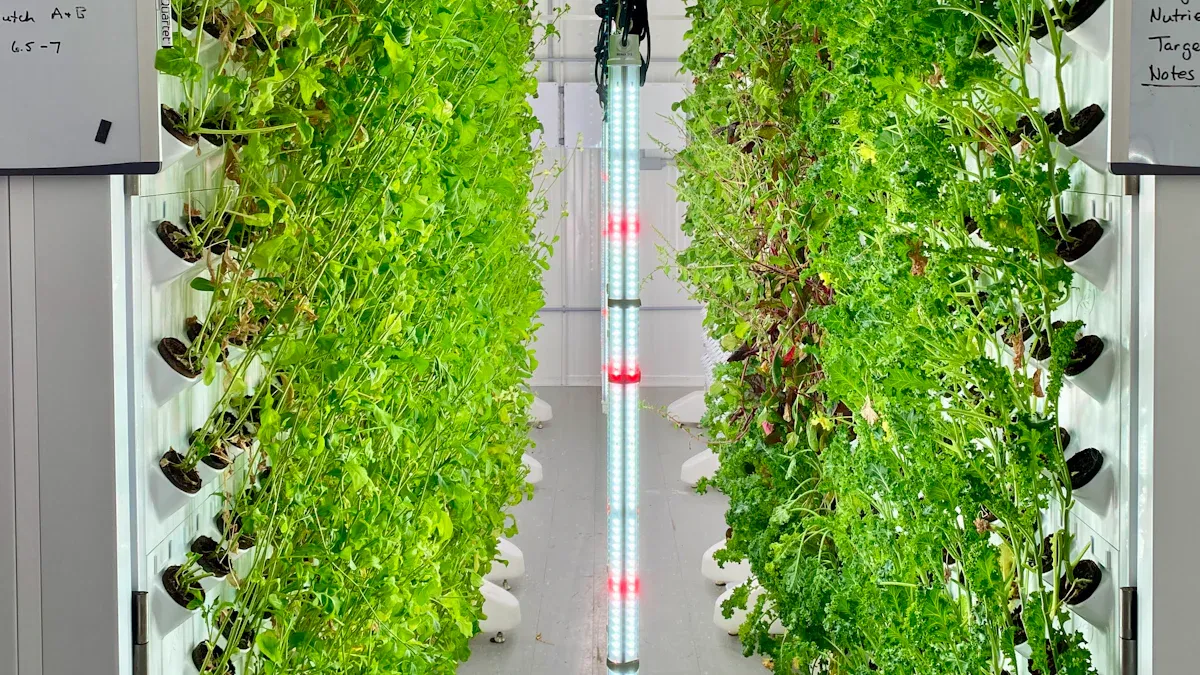
The evolution of agricultural imagery reflects the transition from horizontal land-intensive farming to vertical volumetric efficiency. In traditional models, success was measured by acreage, but modern setups prioritize the number of plants supported per cubic meter of space.
By stacking planting ports vertically, a single tower produces the same volume of greens as a 45-square-foot soil garden. This spatial shift was documented in a 2024 global trial with a 500-unit sample size, proving that verticality allows for 10 times more plants in the same footprint.
The physical density shown in these systems is maintained by providing a high-oxygen environment inside the hollow vertical column. Unlike the compacted soil found in legacy farming, the interior of a tower remains humid and aerated, allowing roots to expand without physical resistance.
A 2023 study showed that roots exposed to a falling nutrient film absorbed 20% more oxygen at the root zone. This increased oxygenation accelerates the vegetative phase, allowing butterhead lettuce to reach maturity in 28 days instead of 60 days in soil.
This growth is fueled by a submersible pump that pushes a mineral-rich solution to the top of the tower. Analyzing gambar pertanian modern reveals how the water creates a thin film that coats the hanging roots before falling back into the reservoir.
| Resource Comparison | Traditional Row Farming | Modern Vertical Tower | Improvement |
| Water per Harvest | 100 Gallons | 5 Gallons | 95% Savings |
| Harvests per Year | 1-2 | 12-15 | 600%+ Increase |
| Land Use (50 plants) | 50 sq ft | 5.5 sq ft | 89% Space Saving |
Recirculating the water prevents the 40% nitrogen runoff typically associated with traditional fertilizer application. Every drop of water that isn't absorbed by the plant is filtered and reused, maintaining a near-zero waste profile for the entire growing cycle.
The precision of this delivery system removes the need for chemical herbicides and heavy pesticides because there is no soil to harbor weed seeds or insects. 2025 agricultural data confirms that these systems reduce pest-related crop loss by 75% without synthetic sprays.
Maintaining a steady pH of 5.5 to 6.5 ensures that plants never experience the nutrient lock-out caused by inconsistent soil chemistry. This control results in a crop that is 15% heavier by weight and significantly more uniform than field-grown equivalents.
Laboratory analysis of 250 kale and spinach samples from vertical units revealed 18% higher concentrations of Vitamin C. The immediate availability of minerals during the growth cycle allows the plant to maximize its secondary metabolite production.
By placing these units directly within urban centers, the food miles for a bag of greens are reduced from 1,500 miles to less than 10 miles. This localization eliminates long-haul logistics, which accounted for 11% of agricultural carbon emissions as of 2023.
The modularity of the hardware allows for rapid scaling, with small-scale setups requiring less than 5 hours of labor per week. Since the planting ports are at waist height, the physical labor involved is reduced by 60%, making farming accessible to a wider demographic.
| Crop Efficiency | Soil Growth Time | Tower Growth Time | Annual Yield (1 Tower) |
| Arugula | 50 Days | 25 Days | 45 kg |
| Basil | 70 Days | 35 Days | 60 kg |
| Swiss Chard | 60 Days | 40 Days | 55 kg |
Continuous production means that residents have access to fresh produce during the winter months when soil-based farms are dormant. This year-round availability stabilizes local food prices and reduces the reliance on industrial supply chains prone to weather-related disruptions.
Because the system is soil-free, it can be installed on non-arable land like concrete pads or rooftops. This approach allows for agricultural expansion without tilling or clearing new land, supporting long-term ecological balance and forest preservation.
The longevity of the food-grade plastic components ensures that each tower remains productive for over 10 years. This durability makes the system a responsible investment, as the carbon cost of manufacturing is spread across hundreds of successful harvest cycles.
Ultimately, the data behind modern agricultural images provides a resilient blueprint for food security. By utilizing the physics of gravity and aeroponics, farmers can produce high-quality, nutrient-dense food while using a fraction of the resources required by traditional methods.
The high-density output of these systems is enhanced by the ability to monitor water chemistry in real-time. A 2024 survey of residential tower users showed a 94% satisfaction rate regarding the ease of maintaining water balance compared to traditional garden testing kits.
By providing the plant with an ideal environment for 24 hours a day, the system eliminates the growth pauses caused by fluctuating ground temperatures. This consistency ensures the plant stays in the vegetative phase without interruption, resulting in a 22% increase in sugar content for berries.
The physical design of the tower ports prevents water from sitting on the leaves, which reduces the incidence of powdery mildew and other fungal issues by 85%. This airflow is a result of vertical spacing that ensures no two plants compete for the same cubic foot of air.
As global populations rise, the collective impact on local water tables becomes a measurable metric of success. Reducing agricultural water demand by 95% preserves millions of gallons of water annually for the surrounding ecosystem and municipal use.